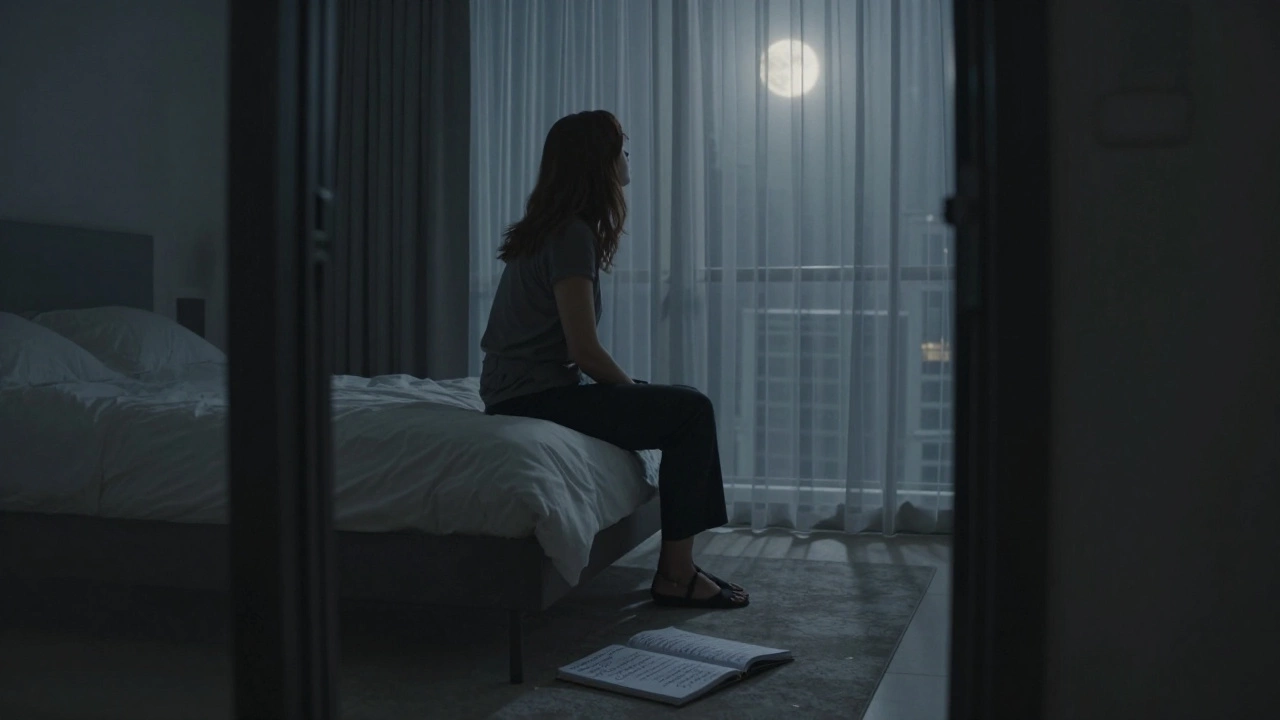
She never said the word rape. Not to the police. Not to her family. Not even in the quiet hours when she was alone, staring at the ceiling, replaying every second. She called it "Safe/Ward"-a phrase she made up to describe the place where she was held, controlled, and broken without a single legal charge ever being filed. It wasn’t a building. It wasn’t a hospital. It was a rented apartment in a high-rise in Dubai, where a man paid for her time, her silence, and her compliance. She didn’t know then that what happened to her was a crime. She only knew she couldn’t leave. And no one came to ask why.
People in Dubai sometimes search for escorts dubai as if it’s a service like ordering coffee-convenient, discreet, disposable. But behind every transaction like that, there’s a person whose story doesn’t make headlines. The law in Dubai doesn’t criminalize the buyer. It criminalizes the seller. And if the seller is foreign, undocumented, or too afraid to speak, the system doesn’t just fail them-it erases them.
What "Safe/Ward" Really Meant
"Safe/Ward" was her code. A way to talk about what happened without naming it. She told her therapist it was "a place where I was told what to wear, when to smile, and how to cry quietly." She didn’t say "rape" because she didn’t believe it counted. She was paid. She was given food. She wasn’t beaten with a belt. There were no bruises on her arms. But she was never allowed to leave. Her passport was taken. Her phone was confiscated. She was told if she tried to run, her family would be hurt. She believed them.
This isn’t rare. In 2023, the United Nations Office on Drugs and Crime reported that over 60% of women detained in Dubai’s immigration centers had been forced into sexual labor under the guise of "work contracts." Most were from Southeast Asia and Eastern Europe. Many were promised jobs as nannies or receptionists. Instead, they were moved into apartments like hers. The men who paid for their time didn’t see themselves as predators. They saw themselves as customers.
The Legal Gray Zone
Dubai’s legal system doesn’t recognize marital rape. It doesn’t recognize coerced consent. And it doesn’t recognize the power imbalance when a woman is trapped by debt, fear, or immigration status. If a woman says she was forced, but there’s no physical evidence, the case is dismissed. No video. No witnesses. No signed contract saying "I agree to this." Just her word against a man who paid for her silence.
There are no shelters for these women. No emergency hotlines in their languages. No legal aid that understands the difference between sex work and trafficking. The government calls it "moral regulation." The courts call it "lack of evidence." The women call it "Safe/Ward."
Why She Didn’t Run
She tried once. Three months in, she slipped out during a delivery. She ran two blocks before a security guard stopped her. "Where are you going?" he asked. She said she was lost. He called her employer. She was brought back. That night, they locked her in the bathroom for 12 hours. No water. No light. Just a phone. And a message: "If you ever do that again, we’ll send your parents a video of you begging for help."
That’s when she stopped trying to escape. She started counting the days. She started memorizing the names of the men who came. She started writing them down in a notebook she hid under the floorboard. She didn’t know if anyone would ever read it. But she needed to know she remembered.
What Happens When No One Listens
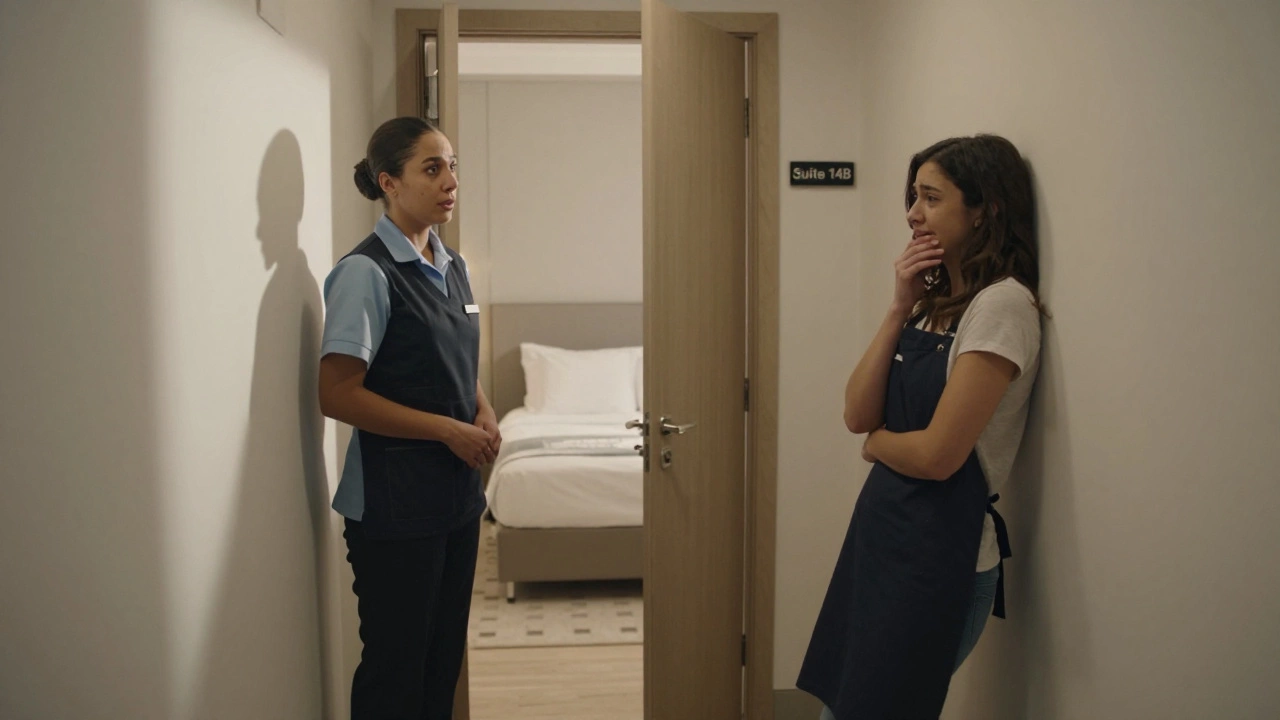
She was found six months later-not by police, not by an NGO, but by a cleaner who noticed her crying in the hallway. The cleaner didn’t call the authorities. She called her cousin, who worked at a consulate. That’s how she got out.
But the consulate didn’t press charges. They gave her a one-way ticket home. "It’s too complicated," they told her. "You’re not a citizen. You don’t have papers. No one will believe you."
She didn’t know then that the same men who held her were still operating. That the apartment was rented again the next week. That a new woman, from the same village, was already being told she’d be paid 10,000 dirhams a month to work as a "personal assistant."
How This Keeps Happening
There’s a myth that human trafficking happens in dark alleys or underground networks. But in Dubai, it happens in plain sight. In luxury buildings. With branded linens. With paid cleaners. With Airbnb-style bookings. The men who buy these services don’t think they’re doing anything wrong. They think they’re paying for companionship. For pleasure. For control.
And the women? They’re told they’re lucky. That they’re earning more than they ever could back home. That if they complain, they’ll be deported. That no one will care.
One woman told me, in a voice so quiet I had to lean in, "They don’t call it rape because they don’t call it anything. It’s just part of the job."
That’s the real crime. Not the act. Not the violence. The silence.
The Other Side of the Coin
There are women in Dubai who choose sex work. They have contracts. They have agencies. They have lawyers. They are not trafficked. They are not forced. They are not locked in apartments.
But they live in the same city. They see the same headlines. They hear the same whispers. And they know the difference between choice and coercion. They know the word "escort" can mean freedom-or it can mean a cage with a price tag.
When people search for "dubai call girl," they’re not thinking about the woman behind the screen. They’re thinking about availability. About discretion. About desire.
But that woman? She’s thinking about how to stay alive.
What Needs to Change
Dubai doesn’t need more laws. It needs enforcement. It needs translators in police stations. It needs shelters that don’t ask for papers. It needs judges who understand that consent can’t be bought. It needs media that stops treating these women as statistics and starts treating them as people.
And it needs men to stop pretending they’re just customers.
There’s a reason she never called it rape. Because in that system, calling it rape would mean admitting she was a victim. And she didn’t want to be one. She wanted to be someone who survived.
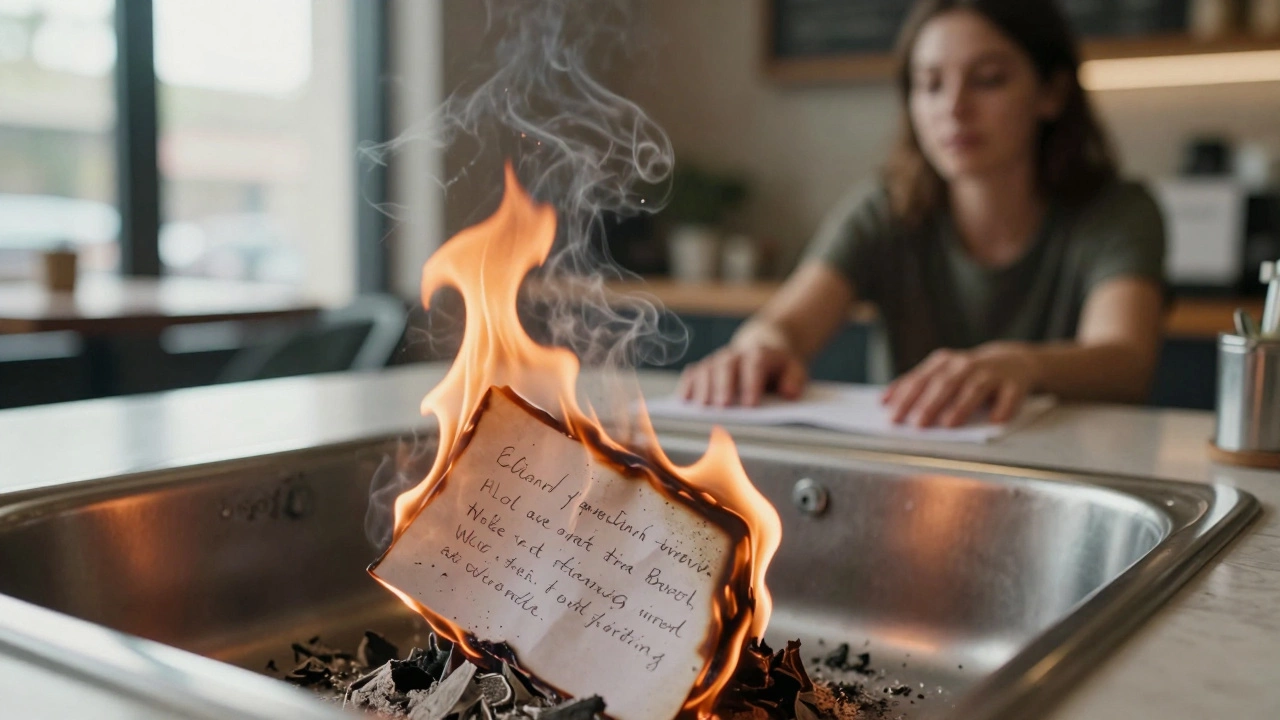
She’s alive now. Living in Perth. Working at a café. She still doesn’t say the word. But sometimes, when she’s alone, she writes it down. Just once. Then burns the paper.
She’s not alone anymore. But she still carries the silence.
And so does the city.
There are women in Dubai who are still inside those apartments. Still counting the days. Still hoping no one will come.
They’re still waiting for someone to say: "This isn’t normal. This isn’t okay. This isn’t just business."
Until then, they’ll keep calling it Safe/Ward.
And the world will keep searching for call girls dubai.
Arlen Fitzpatrick
My name is Arlen Fitzpatrick, and I am a sports enthusiast with a passion for soccer. I have spent years studying the intricacies of the game, both as a player and a coach. My expertise in sports has allowed me to analyze matches and predict outcomes with great accuracy. As a writer, I enjoy sharing my knowledge and love for soccer with others, providing insights and engaging stories about the beautiful game. My ultimate goal is to inspire and educate soccer fans, helping them to deepen their understanding and appreciation for the sport.
view all postsWrite a comment